

BY JOSEPH MOSES JOSEPH
Nigeria Targets $1 Trillion Economy by 2030 as Stakeholders Review Development Plan
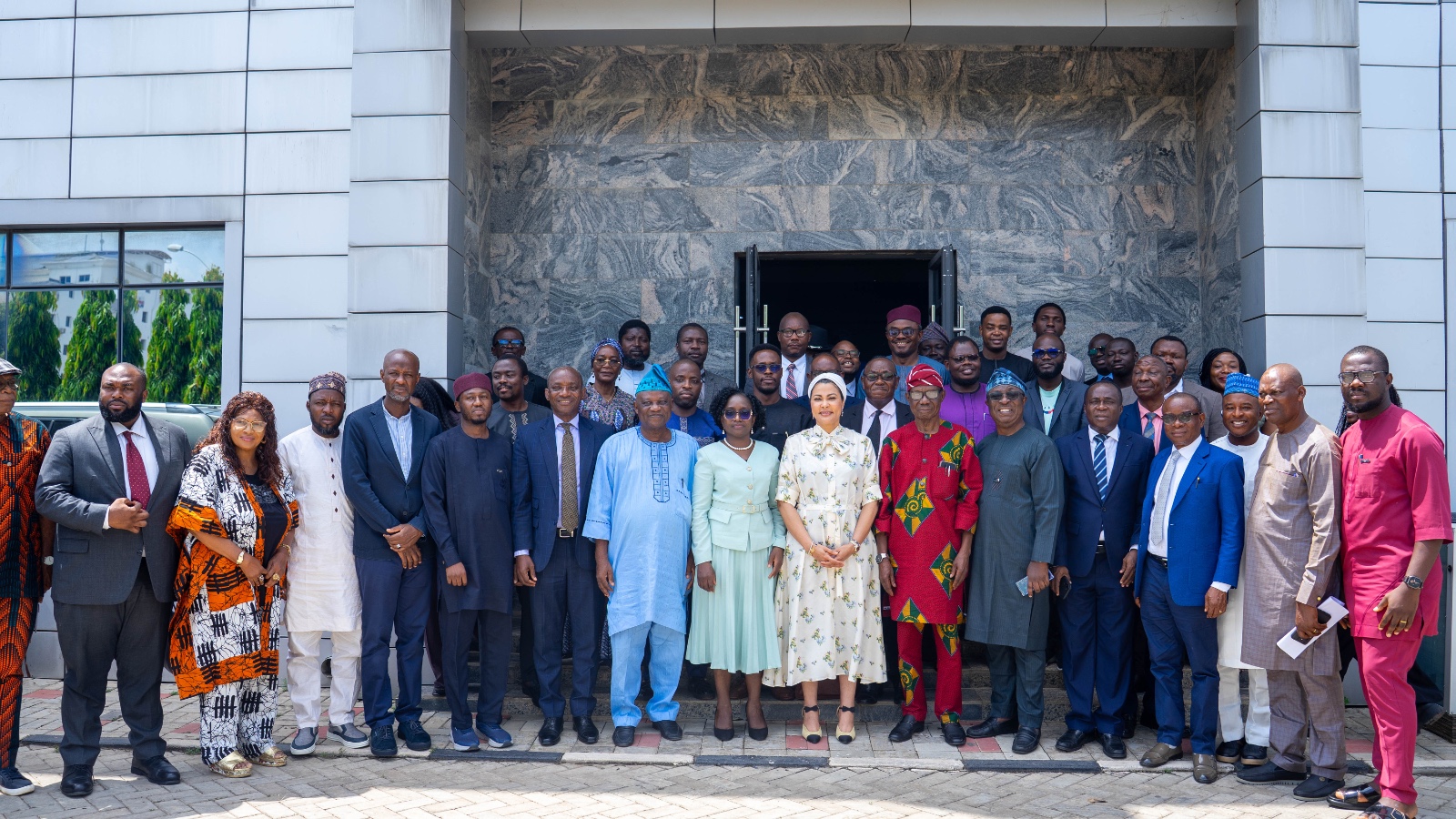
Stakeholders from government, academia, the business community, development partners and civil society organisations have convened to review and finalise Nigeria’s National Development Plan (NDP) 2026–2030, aimed at accelerating economic growth and achieving a one-trillion-dollar economy by 2030.
The five-year development blueprint is designed to align with Nigeria Agenda 2050 and establish a clear framework for the country’s economic and social transformation.
Speaking at the stakeholders’ retreat, the Minister of State for Budget and Economic Planning, Dr. Doris Uzoka-Anite, said the review was critical to producing a coherent, evidence-based, measurable and implementation-ready plan to guide national development over the next five years.
She explained that the new plan must build on the achievements and lessons of the National Development Plan 2021–2025 while addressing existing gaps and strengthening strategies for sustainable economic growth.
According to her, the NDP 2026–2030 must be supported by credible baseline data, realistic economic projections, clearly defined policies, effective interventions, adequate financing arrangements and measurable performance indicators.
Dr. Uzoka-Anite acknowledged that the review was taking place amid significant economic and social challenges but stressed that the new development framework must identify and address the major constraints to Nigeria’s growth and development.
She said the plan must provide practical solutions capable of unlocking economic opportunities, improving productivity and strengthening the country’s capacity to achieve its one-trillion-dollar economic ambition.
The minister identified seven strategic pillars around which the development plan is structured.
They include macroeconomic stability, resource mobilisation and sustainable financing; oil, gas and energy security; economic diversification, productivity and competitiveness; productive infrastructure and environmental resilience; effective governance, strong institutions and public-sector transformation; peace, security and national resilience; as well as human capital development, social progress and inclusive growth.
To ensure that the plan reflects the needs of ordinary Nigerians, Dr. Uzoka-Anite urged stakeholders to utilise findings from the Renewed Hope Ward-Based Development Framework Survey conducted by the ministry across 8,809 wards nationwide.
She said the survey would help identify grassroots economic realities, infrastructure deficits and local development priorities, ensuring that national policies address the specific needs of communities across the country.
Technical Working Group Inaugurated
In a related development, the minister inaugurated a Technical Working Group to review the draft National Development Plan 2026–2030 and ensure that it meets the country’s economic and development objectives.
The group is co-chaired by Professors Olu Ajakaiye and Mike Obadan, with Professors Uche Uwaleke, Adeola Adenikinju, Jonathan Aremu, Emmanuel Oladipo, Sam Amadi, Usman Tar, Dr. Nguyan Shaku Feese and Professor Bongo Adi serving as members.
The group is expected to assess the alignment of the plan’s vision, strategic objectives, sectoral priorities and proposed interventions with Nigeria Agenda 2050, the Renewed Hope Agenda and the ambition of building a diversified, inclusive and resilient one-trillion-dollar economy by 2030.
Its responsibilities also include reviewing baseline data, economic assumptions, performance indicators and proposed targets to ensure they are realistic, measurable and sufficiently ambitious.
The technical team is further expected to produce a consolidated and implementation-ready document, supported by policy and intervention matrices, an institutional responsibility framework and a record of major revisions and outstanding policy decisions.
Earlier in her welcome remarks, the Permanent Secretary of the Ministry of Budget and Economic Planning, Dr. Deborah Odoh, emphasised the need for a credible and practical development plan that aligns national priorities with Nigeria Agenda 2050.
She said stakeholders must ensure consistency across the plan’s seven strategic pillars while resolving gaps, duplication and inconsistencies in its various chapters.
Dr. Odoh also charged participants to validate critical data, macroeconomic assumptions, sectoral targets and expected results, while strengthening the relationship between development priorities, policy interventions, financing arrangements, institutional responsibilities and monitoring mechanisms.
She stressed that the final document must serve as a practical guide for the Medium-Term Expenditure Framework, annual budgets and sectoral investment decisions.
The retreat brought together representatives of government institutions, academia, development partners, the business community and civil society organisations to contribute their expertise towards producing a development blueprint capable of driving sustainable growth, improving living standards and strengthening Nigeria’s economic competitiveness.
The successful implementation of the NDP 2026–2030 is expected to play a critical role in translating the country’s long-term development aspirations into measurable economic and social outcomes.

