

By Joseph Moses Mawunyinka
The Federal Government has raised concerns over the alarming scale of abandoned projects across Nigeria, revealing that projects valued at over N17 trillion have been left uncompleted, with another estimate putting the value of abandoned federal government projects and properties at more than N20 trillion.
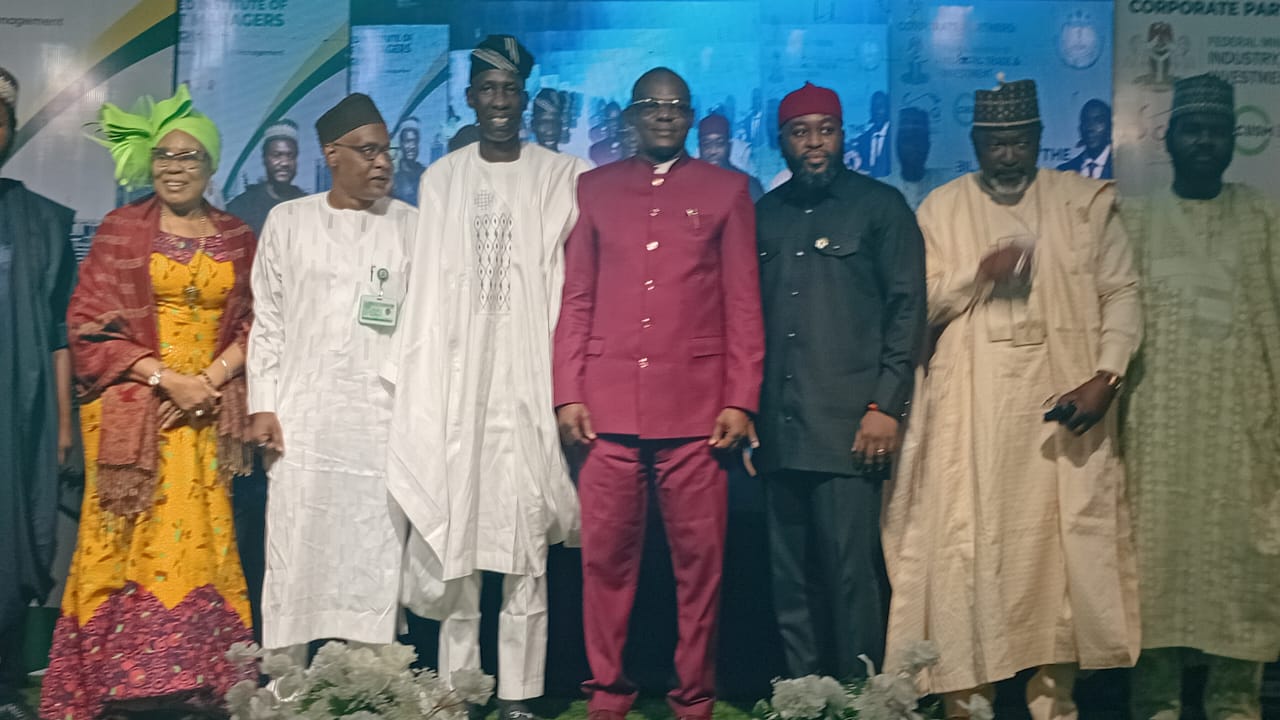
The Minister of State for Industry, Trade and Investment, Senator John Owan Enoh, disclosed this while addressing the 2026 Annual Conference and Induction Ceremony of the Chartered Institute of Project Managers of Nigeria (CIPMN), represented by the Permanent Secretary of the Ministry, Dr. Chris Osa Isokpunwu.
The conference, which is the institute’s eighth annual gathering, was held under the theme, “Project Management: A Catalyst for Nigeria’s Industrial Transformation.”
Enoh described the figures as a troubling reflection of Nigeria’s persistent project implementation challenges, warning that poor planning, weak supervision and inadequate professional project management have continued to undermine the country’s development efforts.
He noted that the abandoned projects represent more than financial losses, stressing that they translate into hospitals that cannot serve patients, schools that cannot accommodate students, roads that fail to connect communities and critical infrastructure that remains unavailable to Nigerians.
The minister also recalled that the Presidential Projects Assessment Committee, in its 2011 assessment, identified 11,886 ongoing federal capital projects with estimated financial commitments of approximately N7.78 trillion.
He said the figures, although drawn from different assessments and periods, underscore the urgent need for stronger project governance, professional accountability and effective implementation mechanisms across the country.
According to him, Nigeria’s ambition of accelerating industrialisation and building a one-trillion-dollar economy under President Bola Ahmed Tinubu’s administration cannot be achieved through policies alone but requires effective execution of projects that deliver measurable economic benefits.
Enoh explained that the Federal Ministry of Industry, Trade and Investment had adopted a four-pronged strategy focused on expanding demand for Nigerian products and services, strengthening domestic industrial capacity, attracting strategic investments, and leveraging data, artificial intelligence and digital infrastructure.
He stressed that professional project management remains essential to translating these policy objectives into functional factories, sustainable infrastructure, operational systems and tangible economic outcomes.
The minister described the theme of the conference as timely, noting that effective project management is critical to ensuring that infrastructure and industrial development are guided by clear national priorities, proper planning, efficient resource utilisation and measurable results.
He urged the Chartered Institute of Project Managers of Nigeria to strengthen its regulatory responsibilities by ensuring that only qualified, licensed and certified professionals oversee projects across both the public and private sectors.
He also called for deeper collaboration between the institute and Ministries, Departments and Agencies to institutionalise Project Management Offices that would promote transparency, accountability and quality assurance in government projects.
Enoh further emphasised the need for sustained investment in human capital development through the training, certification and equipping of project managers with the technical knowledge and leadership skills required to deliver complex projects.
He challenged the institute to take the lead in promoting health, safety and environmental standards at every stage of project execution.
The minister disclosed that the ministry’s adoption of a 90-day implementation reporting cycle was part of efforts to strengthen project monitoring and ensure greater accountability in the delivery of government programmes.
He expressed confidence that with effective project management and a coordinated development strategy, Nigeria could overcome the recurring challenges of abandoned projects, reduce waste of public resources, accelerate industrial growth and create employment opportunities for millions of citizens.
Enoh also commended the Registrar-General of the institute, Mr. Henry Olagunju, and members of its Governing Council for their commitment to strengthening professional project management standards in the country.
He reaffirmed the ministry’s support for the institute, stressing that its establishment and effective operation were essential to ensuring quality project delivery nationwide.
The minister, however, cautioned against allowing personal interests and ego to undermine the institute’s objectives, insisting that efforts to strengthen project management in Nigeria must be driven by collective commitment to national development rather than individual interests.
He subsequently declared the 2026 conference open on behalf of the Minister of State.

