

By Joseph Moses Mawunyinka
The Federal Government has unveiled plans to sanitise Nigeria’s scrap metal industry through a comprehensive regulatory framework aimed at curbing the theft of metallic infrastructure, promoting responsible recycling and strengthening the country’s steel manufacturing sector.
The initiative is being pursued through the proposed Scrap Metal (Collection, Trading, Recycling and Regulation) Regulations, 2026, which seek to establish a transparent, accountable and sustainable scrap metal value chain.
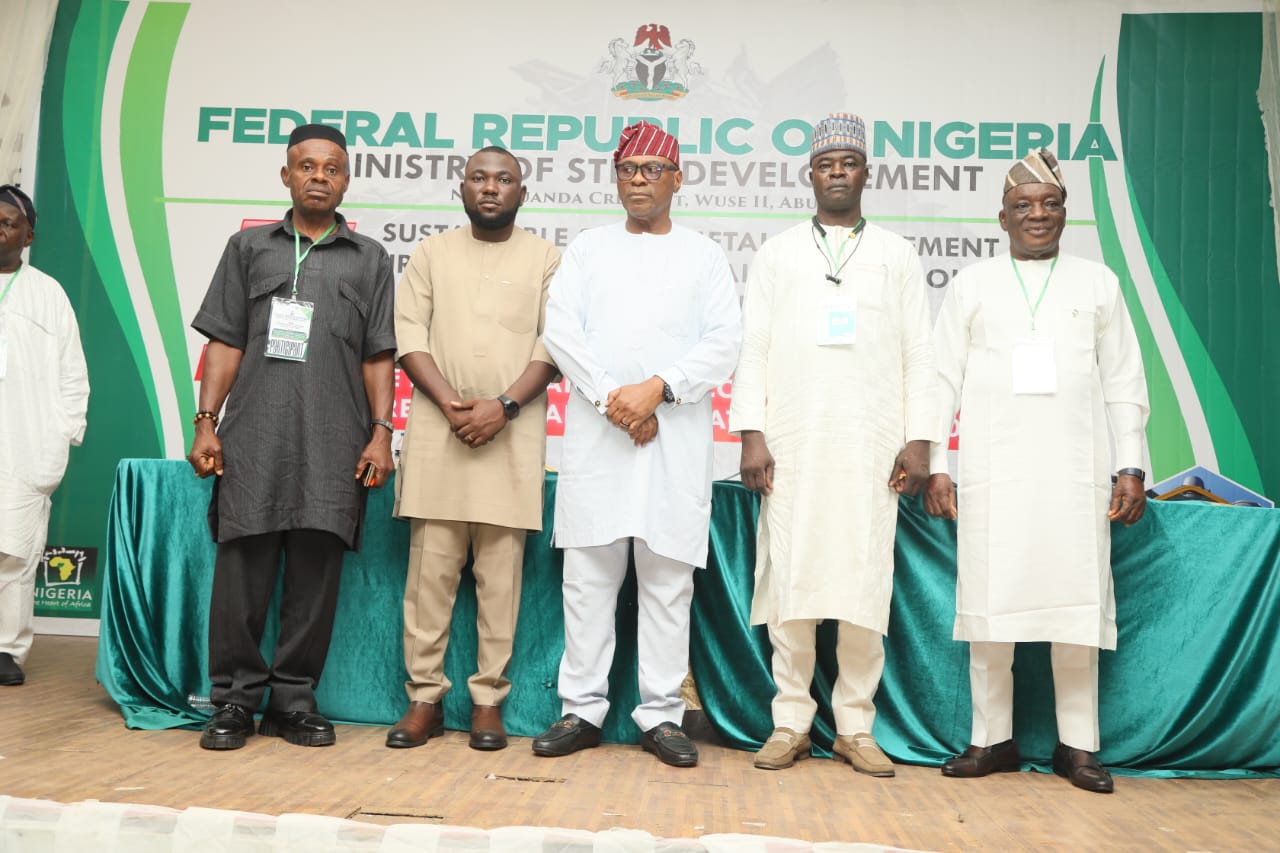
The Minister of Steel Development, Prince Shuaibu Abubakar Audu, disclosed this at the ongoing stakeholders’ engagement on the validation of the draft regulations, holding in Lagos from November 9 to 10, 2026.
Audu, who was represented by the Director, Metallurgical Raw Material Development and Investment Promotion Department, Ime Eprikpo, said the proposed regulations would provide an organised framework for scrap metal collection, trading, processing and recycling in support of Nigeria’s industrialisation drive.
Speaking on the theme, “Sustainable Scrap Metal Management through Effective Metallurgical Regulation: From Policy to Real Impact,” the Minister described scrap metal as a strategic raw material for steel production, foundry operations and other metal manufacturing activities.
He noted that effective management of the sector would reduce material wastage, promote circular production, generate employment and stimulate economic activities across the scrap metal value chain.
However, he warned that without effective regulation, the industry could become a channel for infrastructure theft, vandalism, unsafe dismantling practices and environmental degradation, while discouraging legitimate investors and manufacturers.
According to him, the proposed regulations would introduce licensing and supervision of operators, regulate collection and aggregation centres, strengthen transaction traceability, enforce environmental and occupational safety standards and improve monitoring across the industry.
Audu stressed that the government’s intention was not to undermine legitimate businesses but to create an orderly operating environment that would protect genuine investors while ensuring that stolen materials and environmentally harmful practices were dealt with in accordance with the law.
He also emphasised the need to accommodate small-scale operators, acknowledging that thousands of Nigerians depend on scrap metal collection and trading for their livelihoods.
He explained that the proposed framework would provide a pathway for informal operators to become formalised through requirements proportionate to the size and risks of their businesses, while ensuring that large-scale aggregation and recycling facilities meet appropriate licensing and operational standards.
On infrastructure protection, the Minister expressed concern over the persistent theft of metallic components of public infrastructure, including electrical cables, railway materials, manhole covers and other essential installations.
He warned that such criminal activities extend beyond the theft of valuable materials, as they disrupt public services, endanger lives, increase maintenance costs and undermine national development efforts.
He consequently called for stronger supplier identification, verification of material sources, proper transaction documentation and closer collaboration with security and law enforcement agencies to prevent stolen metallic materials from entering the commercial recycling chain.
The Minister described the stakeholders’ engagement as a critical opportunity for industry operators, government institutions, environmental and security agencies, professional bodies and other relevant groups to scrutinise the draft regulations and make practical recommendations before their finalisation.
He urged participants to identify areas requiring clarification, highlight implementation challenges and provide constructive submissions that would make the proposed framework effective and sustainable.
Audu assured stakeholders that their contributions would receive due consideration, reaffirming the Ministry’s commitment to institutional capacity development, public awareness, reliable data collection and consistent enforcement.
He said the Federal Government remained determined to build a competitive and globally relevant steel industry through policies that encourage investment, protect national assets and strengthen local manufacturing capacity.
Also speaking, the Permanent Secretary, Ministry of Steel Development, Ambassador Nura Abba Rimi, represented by the Director, Metallurgical Inspectorate and Environmental Protection Department, Christopher T. Wanje, said the administration of President Bola Ahmed Tinubu remained committed to developing a resilient, competitive and self-sustaining steel industry.
He described the scrap metal sector as a critical component of Nigeria’s industrialisation, economic diversification and national development, noting that it provides essential raw materials for steel production, promotes resource efficiency and supports employment generation.
Rimi maintained that the proposed regulations would help sanitise the industry, combat the illegal trade in stolen metallic materials, protect critical infrastructure and ensure that the economic benefits of metal recycling contribute meaningfully to national development.
He reiterated that the government was not seeking to stifle legitimate businesses or discourage investment but to establish a transparent and accountable operating environment where genuine entrepreneurs could thrive and manufacturers could access reliable raw materials for increased domestic production.
In his goodwill message, the National President of the National Association of Scrap and Waste Dealers Employers of Nigeria, Comrade Pastor Engr. Ogbu Luke Uchechukwu, described the stakeholders’ engagement as a landmark development for Nigeria’s steel sector.
He said the validation of the proposed regulatory framework went beyond reviewing a policy document, describing it as an important step towards building an organised, regulated and economically viable scrap and waste industry.
Similarly, the Director-General and Chief Executive Officer of the National Environmental Standards and Regulations Enforcement Agency (NESREA), Dr. Innocent Bariate Bariko, represented by the Deputy Director, Base Metal Sector, Engr. Walter Okoye, described the engagement as timely and necessary.
Bariko noted that scrap metal was not only a valuable economic resource and major raw material for the steel industry but also a source of livelihood for thousands of Nigerians and an important component of the circular economy.
He, however, warned that inadequate regulation could expose the environment and public health to serious risks, commending the Ministry for initiating what he described as a forward-looking intervention.
Also, Busari Olanrewaju, Business Manager and representative of Kam Steel Integrated Company Limited, described scrap metal as the backbone of Nigeria’s steel industry, stressing its importance to the sustainability and expansion of domestic steel production.
He reaffirmed the company’s readiness to partner with the Ministry through training programmes for scrap collectors, standardised grading procedures, investment in modern sorting and shredding technologies, and increased utilisation of locally generated scrap metal.
Olanrewaju expressed optimism that the proposed regulations would transform the scrap metal industry, revitalise the steel sector and ensure that locally sourced materials are effectively channelled into domestic manufacturing.

